
Introduction
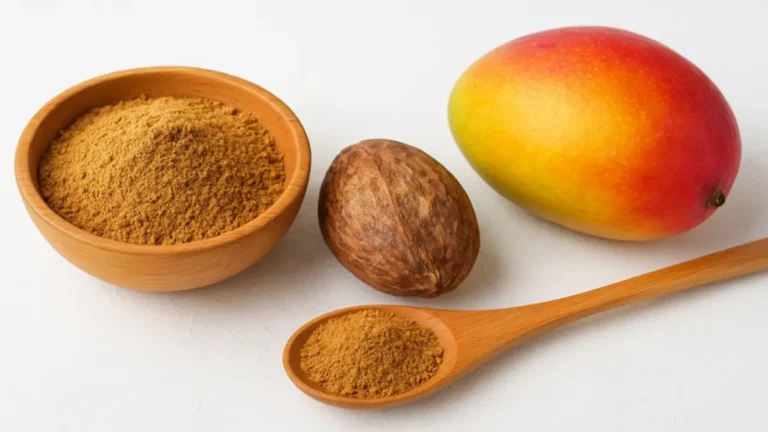
Diabetes management requires a careful balance of diet, lifestyle, and often medication. While no single food can cure the condition, certain natural supplements may support blood sugar control. One option gaining attention is mango seed powder for diabetes.
Packed with fiber and polyphenols, mango seed powder may help slow glucose absorption, reduce post-meal spikes, and improve digestion. This article explores how it works, the science behind it, practical usage tips, and important safety considerations.
How Mango Seed Powder May Help with Blood Sugar
1. Soluble Fiber for Glucose Control
The primary benefit of mango seed powder lies in its soluble fiber. When consumed with meals:
- Fiber absorbs water and forms a gel in the stomach.
- This slows the breakdown of carbohydrates.
- Glucose enters the bloodstream more gradually, reducing sharp spikes.
This makes it especially valuable for people managing post-meal blood sugar levels.
2. Polyphenols and Enzyme Inhibition
Mango seeds also contain polyphenolic compounds such as tannins and flavonoids. These may:
- Inhibit carbohydrate-digesting enzymes.
- Slow down the release of glucose into the blood.
- Provide antioxidant support, which is particularly useful since diabetes increases oxidative stress.
Though modest, these combined effects may contribute to better glycemic balance.
Practical Use and Dosage
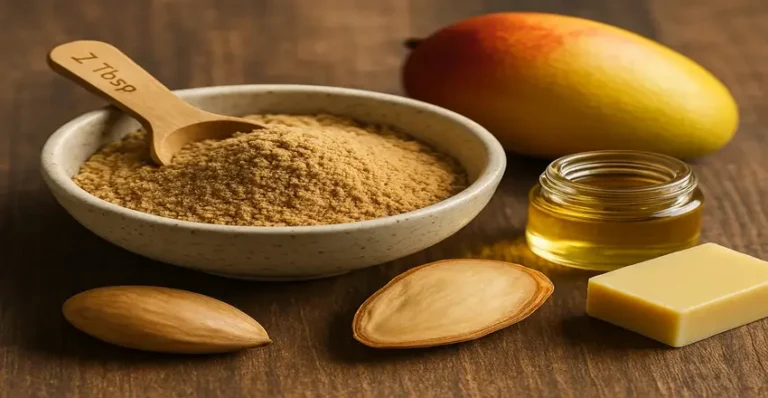
For those considering mango seed powder for diabetes, small consistent servings are key.
- Recommended dose: Start with 1 teaspoon per day.
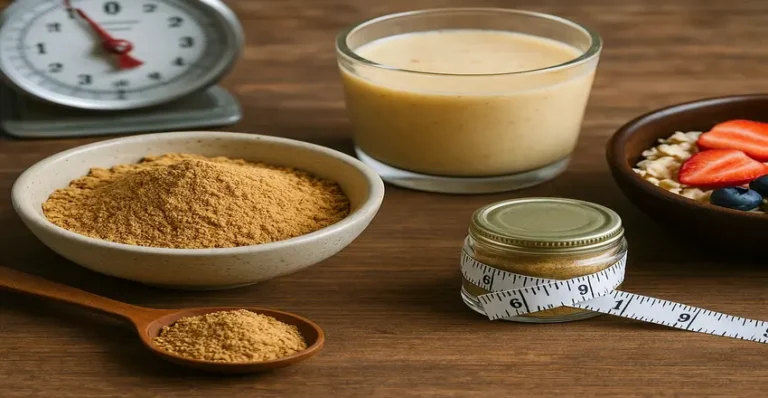
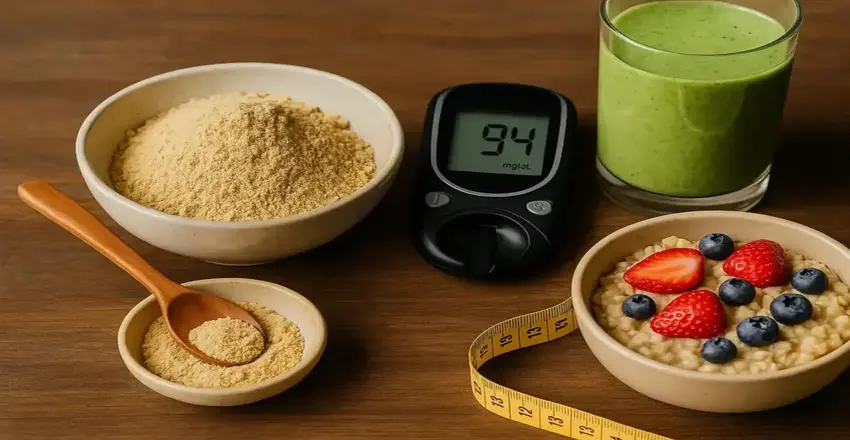
- Best use: Mix into carbohydrate-rich foods like porridge, oatmeal, or smoothies to slow glucose absorption.
- Gradual increase: If tolerated, increase up to 1 tablespoon per day.
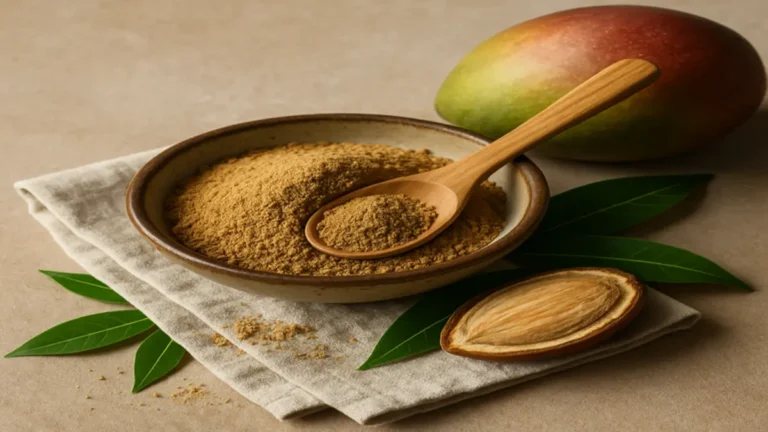
Tip: Lightly roasting the seeds before grinding reduces bitterness and improves taste.
Monitoring Blood Sugar
Whenever you introduce a new supplement, monitoring is essential:
- Track blood glucose levels after meals when consuming mango seed powder.
- If you use insulin or other diabetes medications, talk to your doctor first to avoid unexpected drops.
- Keep servings moderate and consistent for the most reliable effects.
Remember: this is a complementary food, not a replacement for prescribed treatment.
Scientific Evidence and Limitations
Research into mango seed powder’s effects on diabetes is still emerging.
- Animal studies show reductions in blood sugar and improved insulin sensitivity.
- Human studies are limited, with mixed results.
- Some research uses concentrated extracts rather than whole powder, so everyday results may differ.
Overall, it shows promise but should not be considered a stand-alone therapy.
Safety Notes and Precautions
Before adding mango seed powder to your diet:
- Consult your healthcare provider, especially if you take glucose-lowering medications.
- Introduce gradually to avoid digestive discomfort such as bloating.
- Do not replace prescribed medicine with mango seed powder.
- Pregnant or breastfeeding women should avoid use unless advised by a doctor.
Quick FAQ
Q: Will mango seed powder replace my diabetes medication?
A: No. It’s meant to support blood sugar control, not replace prescribed medicine.
Q: How much should I take daily?
A: Start with 1 teaspoon and, if tolerated, increase to 1 tablespoon.
Q: Can I use it in cooking?
A: Yes. Add it to porridge, soups, smoothies, or baked goods.
Q: Is it safe for long-term use?
A: Generally yes, when consumed in small amounts. Always monitor your blood sugar.
Q: Can it prevent diabetes?
A: While it may support metabolic health, lifestyle factors like diet and exercise remain the most important.
Conclusion
The growing interest in mango seed powder for diabetes reflects the desire for natural dietary support in managing chronic conditions. Its fiber helps slow glucose absorption, while its polyphenols may play a modest role in stabilizing blood sugar and improving antioxidant defenses.
However, evidence is still limited, and results vary. The best approach is to use mango seed powder as part of a balanced diet, regular exercise routine, and proper medical treatment.
For more evidence-based strategies on nutrition and diabetes management, check out the American Diabetes Association’s nutrition recommendations.