
Introduction
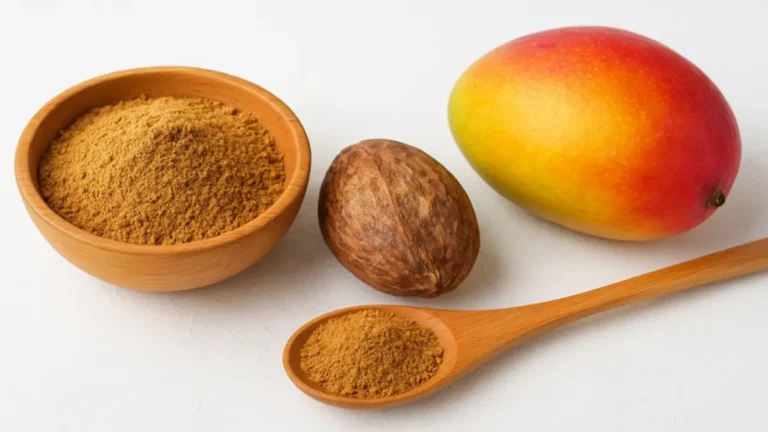
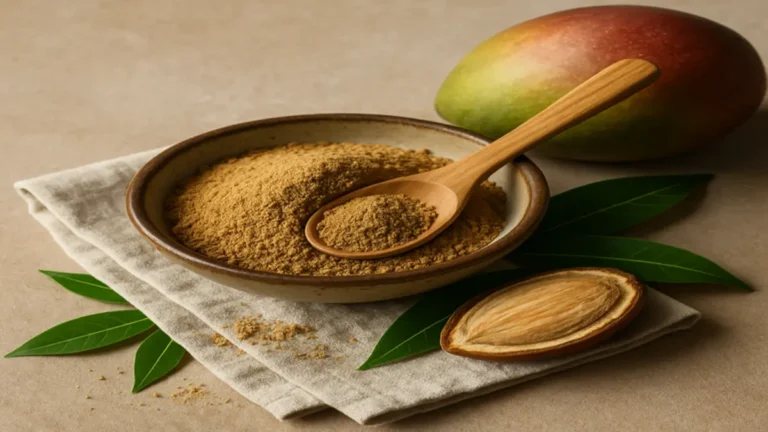
Many people enjoy the sweetness of mango fruit but overlook the health potential of its seed. By grinding the inner kernel into powder, you unlock a unique blend of fiber, fats, and antioxidants. Understanding the nutritional value of mango seed powder helps you see how this byproduct can complement your diet. While it isn’t a major vitamin source, it delivers bioactive compounds and functional nutrients that support digestion and wellness.
Nutritional Value of Mango Seed Powder: Core Composition
The mango seed kernel is primarily made of carbohydrates, fiber, and smaller amounts of protein and fat. Its most important nutritional components include:
- Soluble and insoluble fiber
- Fatty acids present in the kernel oil
- Polyphenols such as tannins and flavonoids
These compounds explain why the nutritional value of mango seed powder is gaining recognition as a sustainable and functional food ingredient.
Fiber and Digestive Benefits
One of the standout benefits of mango seed powder is its fiber content. Just a small serving provides soluble fiber that:
- Slows digestion and promotes satiety
- Helps maintain regular bowel movements
- Supports balanced blood sugar response
This makes mango seed powder a natural choice for those who want to boost daily fiber intake without relying solely on grains or supplements.
Healthy Fats and Oils
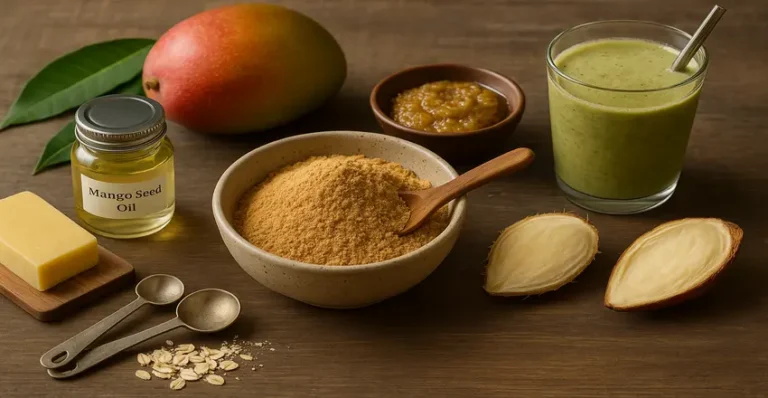
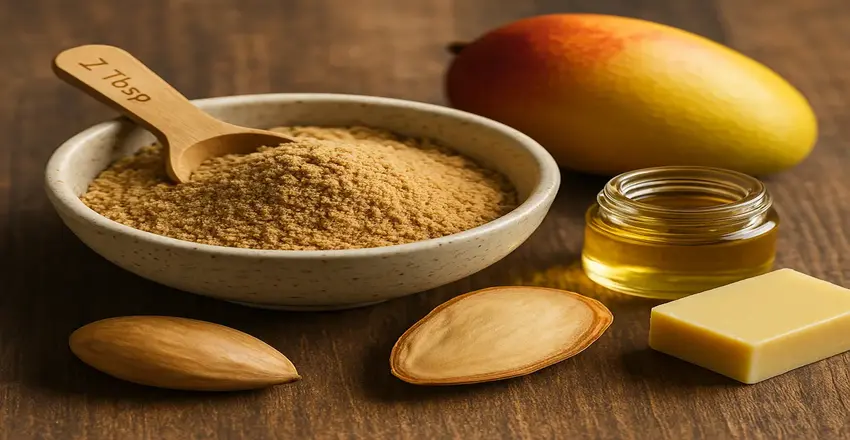
Although often overlooked, the kernel also contains healthy fats. When extracted, these fats form mango seed oil or mango butter, which have a texture similar to cocoa butter.
- In nutrition, they contribute small amounts of energy.
- In skincare, they provide hydration and act as natural moisturizers.
- In cooking, they can be used in limited amounts for specialty recipes.
Thus, the nutritional value of mango seed powder is not only about fiber but also about the quality of its natural fats.
Polyphenols and Antioxidant Activity
Perhaps the most exciting component of mango seed powder is its polyphenol content. These antioxidants play a key role in neutralizing free radicals, which helps:
- Protect liver health
- Support immune function
- Improve overall antioxidant status
Tannins and flavonoids give the powder its slightly bitter taste but also its functional health potential.
Micronutrient Profile
While mango seed powder is not a major source of vitamins A or C, it may provide trace minerals that add to its nutritional profile. Its true value lies in phytochemicals, not vitamins, making it a great supplemental ingredient rather than a replacement for fresh fruits and vegetables.
How to Add It to Your Diet
When incorporating this powder into daily meals, moderation is key.
- Recommended intake: 1 teaspoon to 1 tablespoon daily
- Best uses: smoothies, porridges, soups, or gluten-free baking
- Treat it as a functional food for fiber and phytochemicals
By keeping servings small, you gain the nutritional value of mango seed powder without overpowering taste or texture.
Quick FAQ
Q: Is mango seed powder high in calories?
A: No. In small culinary amounts, it adds very few calories but provides fiber and beneficial compounds.
Q: Does it replace regular fruits and vegetables?
A: No. It’s a supplement that complements your diet, not a substitute for whole produce.
Q: Can I take mango seed powder daily?
A: Yes, in moderate amounts such as 1 teaspoon to 1 tablespoon per day.
Q: Is it safe for everyone?
A: Generally safe, but individuals with digestive sensitivities should start with very small portions.
Q: How does mango seed oil compare to other oils?
A: Its fatty acid profile is similar to cocoa butter, making it stable and useful in both skincare and limited cooking.
Conclusion
The nutritional value of mango seed powder lies in its fiber, healthy fats, and polyphenols. While not a rich source of traditional vitamins, it offers functional benefits that support digestion and antioxidant defense. By using it wisely in small amounts, you can transform an often-discarded seed into a sustainable, health-enhancing food.