
Introduction
When enjoying a sweet, juicy mango, most people toss the seed without a second thought. Yet, this overlooked part of the fruit is surprisingly valuable. There are countless mango seed uses from culinary, nutritional applications to skincare, hair care, and even sustainable crafts. By learning how to process and use mango kernels, you can turn what’s often discarded into a resource that benefits both health and home.
Culinary and Nutritional Uses
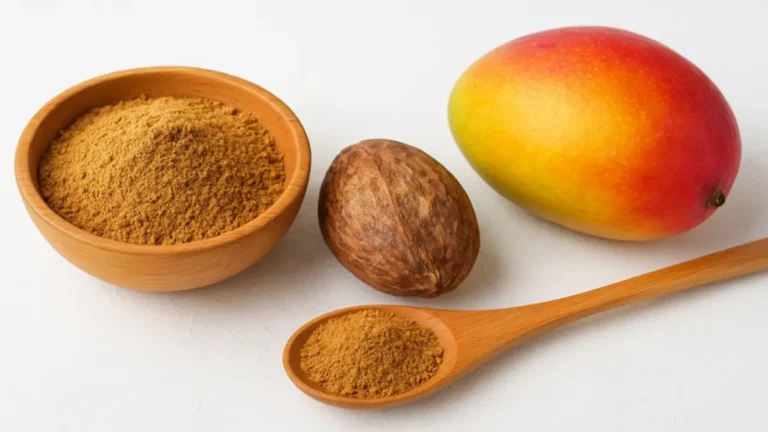
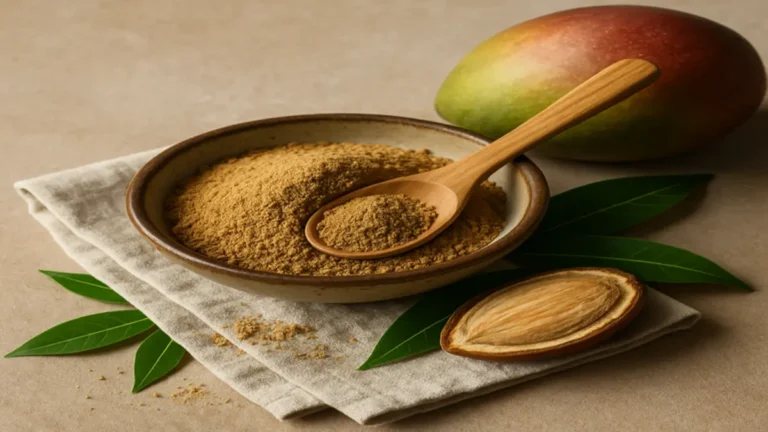
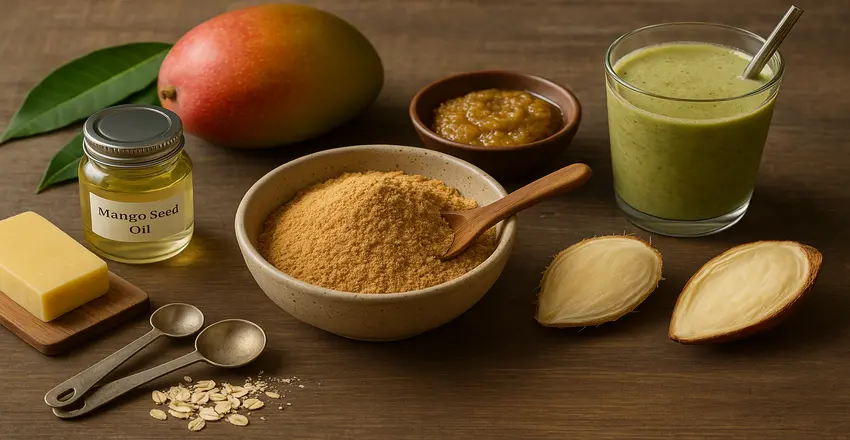
The mango kernel is rich in fiber, antioxidants, and beneficial fats. One popular way to use it is by making mango seed powder. This powder adds a subtle nutty flavor and extra nutrition to everyday foods.
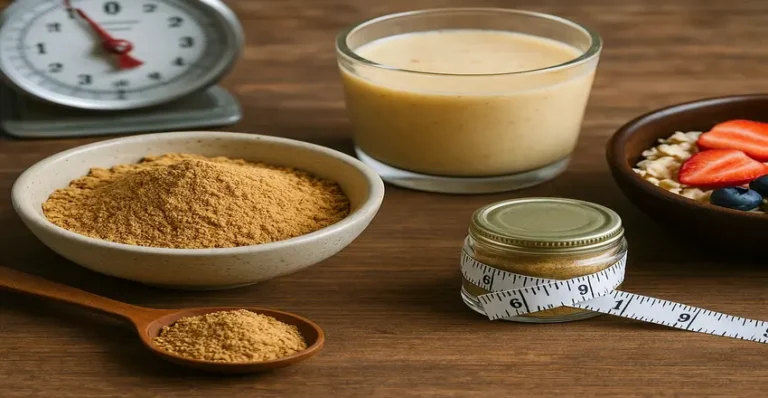
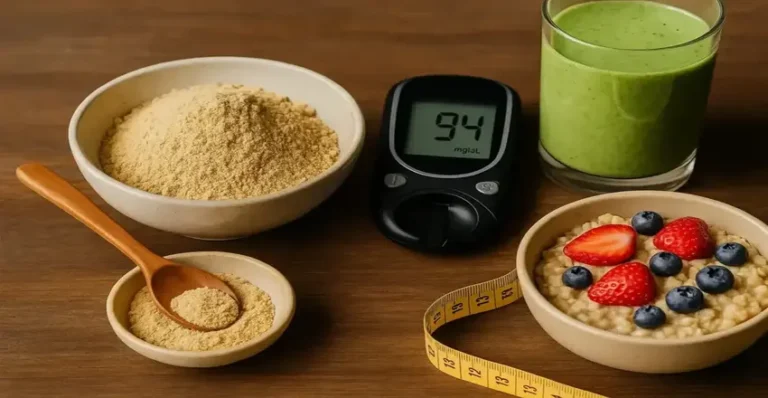
- Smoothies & Porridges: Mix 1 teaspoon to 1 tablespoon of mango seed powder into your breakfast bowl.
- Baked Goods: Replace a portion of flour with mango seed powder for extra fiber.
- Thickening Agent: It works as a gluten-free binder for soups, sauces, and gravies.
Tip: Roast the kernels lightly before grinding to reduce bitterness and improve taste.
Beverages and Tea
Another traditional way to enjoy mango seed uses is through mango seed tea. By steeping dried kernel powder or crushed seeds in hot water, you create a mildly bitter, earthy beverage packed with antioxidants.
- Supports digestion
- May help with gut balance
- Offers a caffeine-free alternative to herbal teas
Cosmetic and Beauty Uses
Mango seeds shine in natural beauty routines. The butter and oil extracted from the kernels are rich in emollients that hydrate and protect skin.
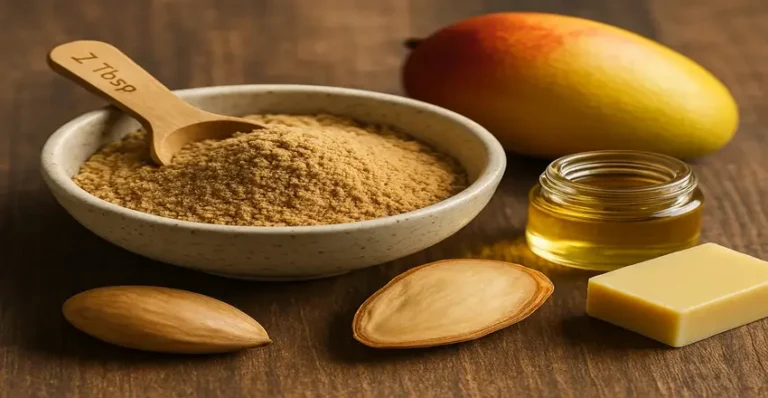
- Mango Seed Butter: Moisturizes dry skin and can be used in lotions, balms, or soaps.
- Hair Care: Strengthens strands when added to hair masks or conditioners.
- Exfoliation: Ground kernels act as a natural exfoliant for face and body.
Always do a patch test before applying new natural products to sensitive skin.
Household and Craft Uses
Creative mango seed uses go beyond food and beauty. The dried shells and kernels can be repurposed around the home:
- Composting: Adds organic matter to garden soil when fully decomposed.
- Crafting: Polished pits can be shaped into beads or decorative items.
- Soap Making: Ground seeds act as a natural pigment and mild abrasive.
Animal Feed and Agricultural Benefits
Processed mango kernels also find use in agriculture. Mango kernel meal, once treated to remove antinutritional compounds, can be included in livestock feed. This provides an affordable source of supplemental fiber.
Important: Always follow local agricultural guidelines before feeding mango byproducts to animals.
Practical Tips for Everyday Use
If you’re just starting with mango seeds, here are a few helpful pointers:
- Begin with small amounts in food to adjust to the flavor.
- Roast before grinding to cut down bitterness.
- Store mango seed butter and powder in airtight containers in a cool, dry place.
Quick FAQs
Q: Can I use mango seed powder in baking?
A: Yes. Add it as part of your flour mix or as a fiber-rich booster, but adjust moisture for the best texture.
Q: Is mango seed oil safe for skin?
A: Generally, yes. It’s a popular ingredient in natural skincare, but always test for allergies first.
Q: Can mango seed tea replace coffee or green tea?
A: It’s caffeine-free, so it won’t energize like coffee, but it offers antioxidants and digestive benefits.
Q: How do I make mango seed powder at home?
A: Dry the kernels, roast them lightly, then grind into a fine powder.
Q: Are raw mango seeds edible?
A: Raw seeds can be bitter and hard to digest. They’re best roasted, dried, or processed before use.
Q: Can mango seeds be used for pets?
A: Only after proper processing and under veterinary guidance.
Conclusion
What was once discarded as waste can now be transformed into a treasure trove of possibilities. From nutrient-rich powders and teas to skin-softening butters and sustainable crafts, mango seed uses are both practical and eco-friendly. By exploring these simple methods, you not only reduce food waste but also unlock a cost-effective way to enhance health, beauty, and home living.