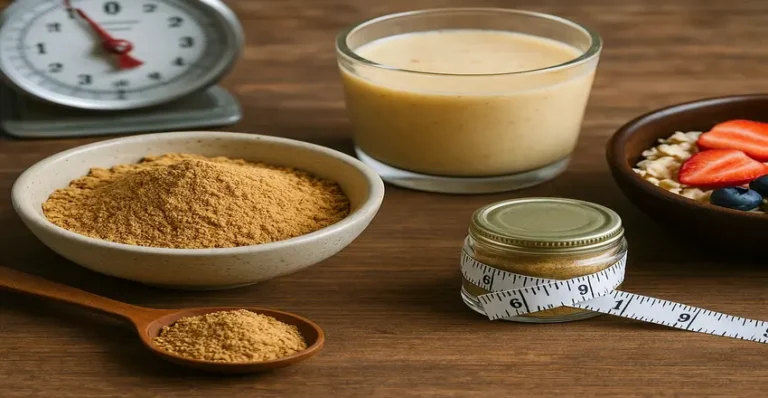

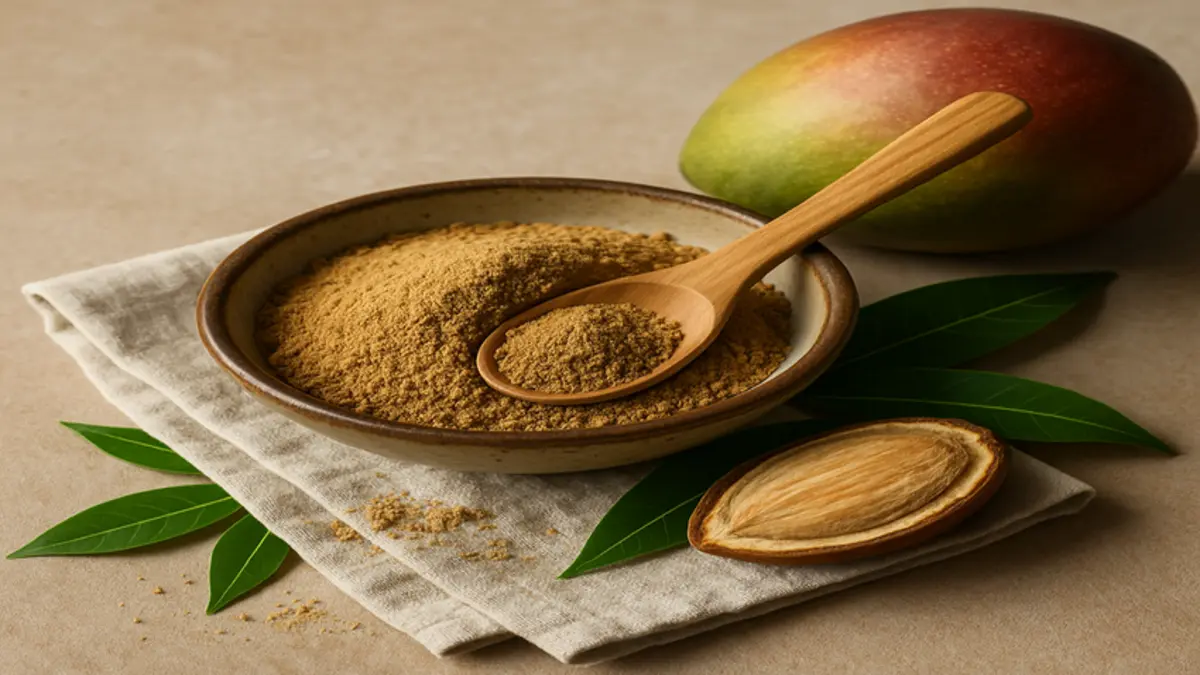
Health benefits of mango seed powder are attracting attention because the kernel inside the mango pit concentrates fiber, polyphenols, and antioxidant compounds that can support digestion, metabolic balance, skin health, and hair condition. Used in small culinary amounts or as topical preparations, the finely ground kernel is an affordable, sustainable ingredient. This article explains seven practical benefits, how to use the powder safely, and what to expect based on current evidence.
What the powder is and why it matters
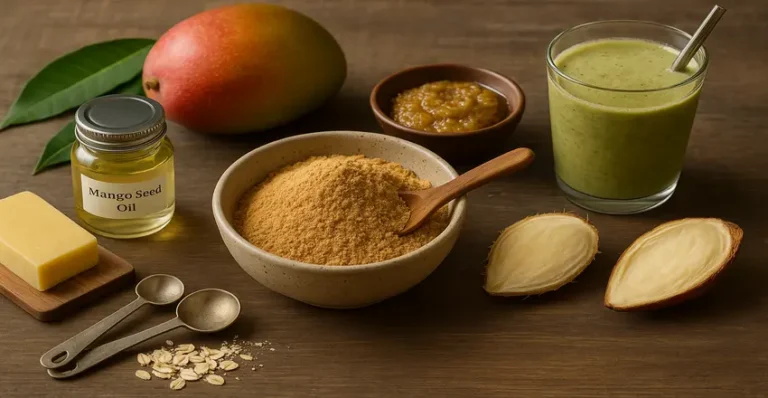
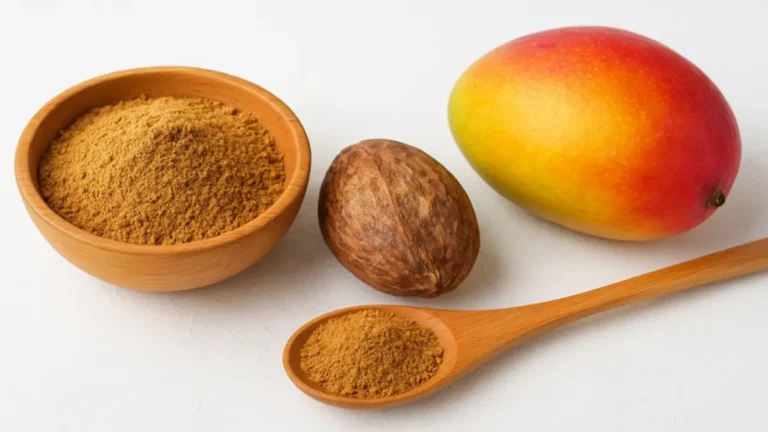
Mango seed powder is produced by removing the hard pit from a ripe mango, cracking the stone to extract the kernel, drying the kernel pieces, and milling them to a fine powder. Compared with the fruit flesh, the kernel contains higher levels of polyphenolic compounds and tannins as well as meaningful soluble and insoluble fiber. Those phytochemicals are responsible for many functional properties, from antioxidant activity to mild astringent effects when applied topically. Small-scale makers and DIYers often favor low-heat drying to preserve bioactive compounds.
1. Supports digestion and regularity
One of the most immediate effects people report is improved stool consistency and regularity. The soluble fraction of the powder absorbs water and forms a gel-like matrix in the gut, slowing transit time and supporting beneficial bacteria. Adding a modest culinary serving—about one teaspoon—to porridge, smoothies, or yogurt can help normalize bowel movements and decrease occasional bloating, provided intake is increased gradually and adequate hydration is maintained.
2. Helps moderate blood-sugar spikes
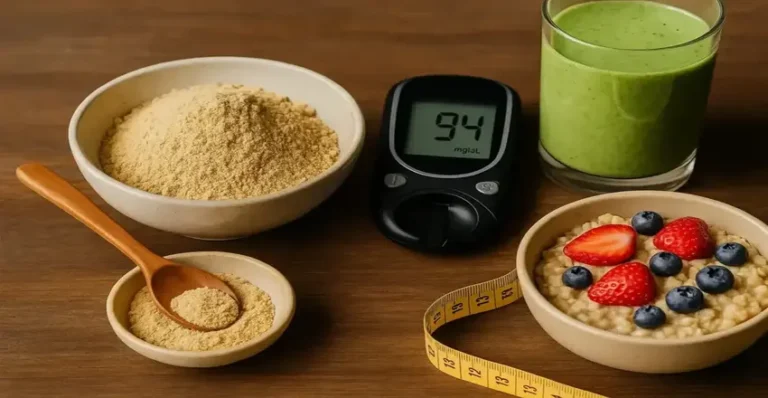
The combination of soluble fiber and certain polyphenols can slow carbohydrate digestion and blunt rapid post-meal glucose rises. This dietary approach does not replace prescribed diabetes therapies but may be a useful adjunct for smoothing the blood-sugar curve after carbohydrate-heavy meals. Anyone on glucose-lowering medication should monitor blood sugar closely when introducing new concentrated botanical powders.
3. Provides antioxidant support and liver protection
Polyphenolic compounds in the kernel act as antioxidants that reduce oxidative stress, a contributor to cellular damage and inflammation. In laboratory and animal studies, kernel-derived extracts have demonstrated hepatoprotective effects, helping protect liver cells during toxic exposures. While human clinical trials are limited, including antioxidant-rich foods as part of a balanced eating plan supports the liver’s detoxification and repair pathways.
4. Contributes to cholesterol management
Soluble fiber and plant sterol–like components in the seed can modestly reduce intestinal absorption of dietary cholesterol. When used alongside proven strategies—such as consuming oats, legumes, nuts, and limiting saturated fats—the powder can be an inexpensive, food-based complement to a heart-healthy pattern that helps lower LDL cholesterol over time.
5. Improves skin texture and oil control (topical)
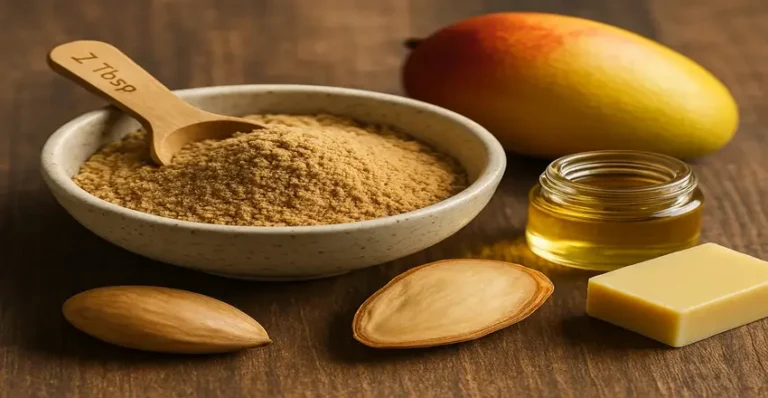
Finely milled kernel works well as a gentle exfoliant and oil-absorbing agent. Mixed into a paste with hydrating carriers (yogurt, rose water, or honey), it removes dead surface cells and helps reduce surface shine. For people with dry or sensitive skin, combining the powder with a butter or oil reduces the astringent effect. Always do a patch test before full-face use.
6. Conditions hair and supports scalp health
As a component of masks, the powder pairs with carrier oils to condition strands and reduce breakage. Its very fine abrasive quality can also help remove product buildup from the scalp when massaged gently, improving follicle cleanliness and reducing flaking. Recommended home use: a warm-oil pre-shampoo mask mixed with a teaspoon of the powder, applied mid-length to ends, and rinsed after 30–45 minutes. <p align=”center”><strong>health benefits of mango seed powder</strong></p>
7. Encourages sustainable upcycling and cost savings
Converting a common food-waste stream into a usable ingredient cuts waste and creates affordable raw material for small-batch cosmetics and foods. For artisans and home cooks alike, the kernel becomes a resource rather than refuse, supporting circular-economy practices and lowering ingredient costs.
How to use it safely and practically
- Start small: Begin with 1 teaspoon per day in food and increase slowly to assess tolerance.
- Topical use: Mix 1 tsp powder + 1 tsp yogurt or honey for a gentle mask (apply 8–10 minutes).
- Tea option: Simmer ½–1 tsp powder in 1 cup water for 5–8 minutes, strain, and sip.
- Hydration: Increase water intake when adding fiber to minimize bloating.
- Allergy check: Avoid if you have a known mango allergy or latex-fruit syndrome.
- Medical caution: Pregnant or breastfeeding people and those on medication should consult a clinician before regular use.
Evidence and realistic expectations
Expect modest, incremental improvements rather than dramatic cures. Much of the research uses concentrated extracts or animal models; high-quality human trials are limited. Treat the powder as a functional food that contributes fiber and antioxidant diversity to a balanced diet. For measurable changes in blood lipids, liver markers, or blood sugar, combine the powder with proven lifestyle measures: balanced nutrition, weight management, regular physical activity, and appropriate medical care.
Quick recipes to try
- Morning bowl: Cooked oats + 1 tsp kernel powder + berries + 1 tbsp ground flaxseed.
- Post-meal tea: Simmer ½ tsp powder + a slice of ginger in 1 cup water for 7 minutes.
- Face mask: 1 tsp powder + 1 tsp yogurt + ¼ tsp honey → apply 8–10 minutes, rinse.
In short, the health benefits of mango seed powder are supportive and practical when used as part of an evidence-informed diet and self-care routine: start small, monitor how you feel, and coordinate with your healthcare provider for chronic conditions or medication adjustments.