
Hunter education is a crucial part of promoting safe hunting and ensuring responsible hunting practices across the United States. As more individuals take up hunting, it is essential to understand which groups play a significant role in supporting hunter education programs.
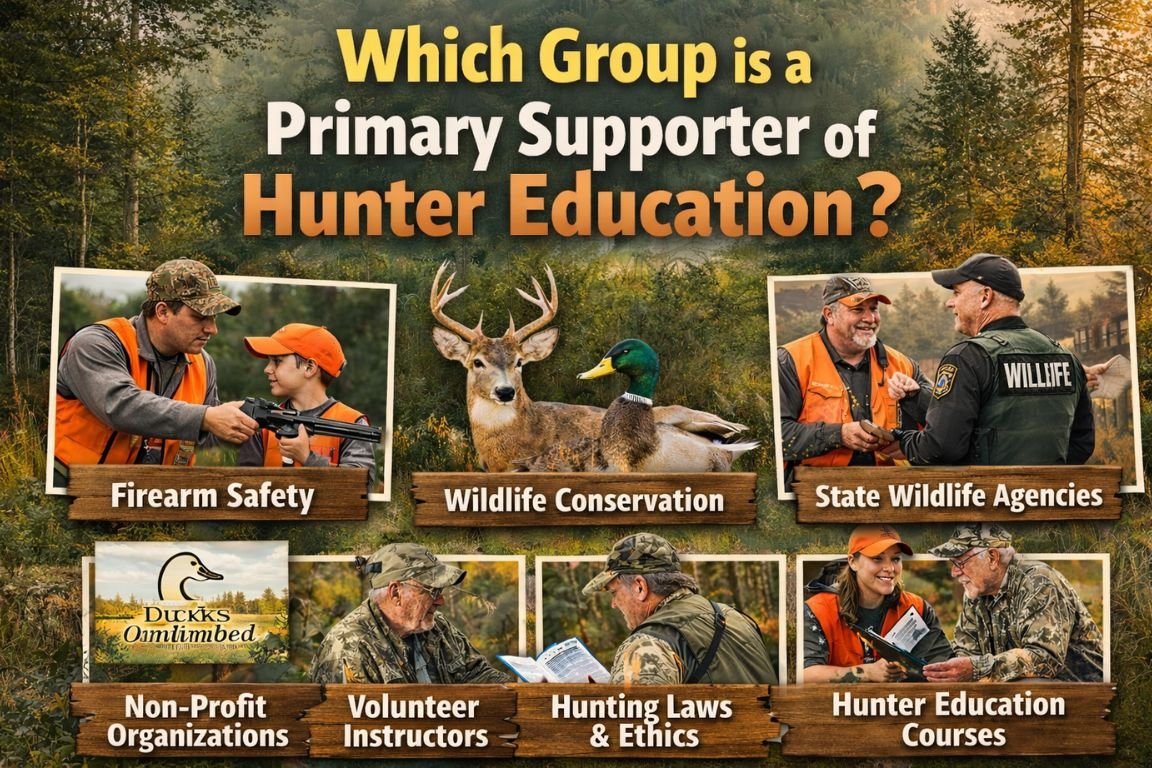
The primary group supporting hunter education includes various organizations and agencies dedicated to promoting firearm safety, wildlife conservation, and ethical hunting behaviors. These groups work together to create and maintain comprehensive education programs that not only focus on hunting safety courses but also on understanding hunting laws and regulations. The involvement of these supporters helps ensure that hunters are well-prepared to engage in safe, legal, and responsible hunting.
Which Group is a Primary Supporter of Hunter Education and Why Does It Matter?
Hunter education programs are designed to teach individuals the knowledge and skills needed for safe and responsible hunting. They include lessons on firearm safety, wildlife conservation, and hunting laws and regulations. These programs help prevent accidents, promote ethical hunting practices, and ensure that hunters understand the importance of respecting the environment and wildlife.
The importance of hunter education lies in its ability to foster responsible hunting practices. By learning the fundamentals of firearm safety, hunting safety awareness, and wildlife management, hunters are better equipped to engage in activities that minimize risks to themselves, others, and the environment. Moreover, hunter education certification is often required for obtaining hunting licenses in many states, ensuring that hunters are well-prepared for their outings.
Key Supporters of Hunter Education
Hunter education programs are supported by various groups, each contributing in unique ways. State wildlife agencies play a central role by developing and managing these educational programs. These agencies ensure that hunter education certification is aligned with state-specific hunting regulations and that courses are available to all hunters.
Alongside state agencies, non-profit organizations like Pheasants Forever and Ducks Unlimited also play a significant part in supporting hunter education. These organizations provide resources, funding, and additional training to enhance the quality of education. In addition, conservation groups work hand-in-hand with these organizations to improve wildlife conservation and protect natural habitats.
What is Hunter Education and Why is it the Primary Supporter of Hunter Education?
The primary supporter of hunter education in the United States is state wildlife agencies. These agencies are responsible for the creation and management of hunter education programs across the country. They ensure that hunters are educated about hunting laws and regulations, firearm safety, and ethical hunting practices.
State wildlife agencies also collaborate with other groups to improve the accessibility and effectiveness of their education programs. For instance, agencies often partner with NRA (National Rifle Association) to offer firearm safety programs. They also work with non-profit organizations and educational institutions to reach a wider audience and ensure the continued success of hunter education programs.
Financial Contributions to Hunter Education
The success of hunter education programs largely depends on the financial support provided by various groups. State wildlife agencies allocate funds for educational resources, including course materials, instructor training, and program administration.
Additionally, non-profit organizations like the National Hunter Education Foundation (NHEF) contribute significant resources to ensure the quality of hunter education. These groups often provide grants, sponsorships, and donations to support the development of hunting safety courses and other educational initiatives. The NRA also plays a role by funding firearm safety programs and other educational efforts related to hunting.
The Role of State Wildlife Agencies in Hunter Education
State wildlife agencies are the backbone of hunter education in the United States. These agencies not only create and manage the curriculum for hunter education but also ensure that it meets the national standards for hunter education. Each state has its own specific requirements, but the core principles of firearm safety, ethical hunting practices, and wildlife management remain consistent across the country.
State agencies also provide hunter education certification upon successful completion of the courses, which is required for obtaining a hunting license in many states. They are instrumental in ensuring that the education provided is relevant, up-to-date, and aligned with state-specific hunting regulations.
How Non-Profit Organizations Support Hunter Education
Non-profit organizations such as the National Hunter Education Foundation (NHEF), Pheasants Forever, and Ducks Unlimited play a crucial role in supporting hunter education programs. These organizations provide a wealth of resources, including financial support, course materials, and training for instructors.
By collaborating with state wildlife agencies, non-profits ensure that hunter education is accessible to a wider audience. They also help develop specialized programs that focus on specific types of hunting or conservation efforts, making hunter education more diverse and comprehensive.
Volunteer Instructors and Their Impact
Volunteer instructors are essential to the success of hunter education programs. These individuals dedicate their time and expertise to teaching new hunters about firearm safety, wildlife conservation, and hunting laws and regulations. Many of these instructors are experienced hunters or conservationists who are passionate about passing on their knowledge.
The impact of volunteer instructors is significant, as they are able to offer personalized guidance and mentorship to students. They also play a critical role in engaging local communities and ensuring that hunter education programs are both effective and accessible.
Legal and Ethical Aspects of Hunter Education
One of the most important components of hunter education is the emphasis on ethical hunting practices and understanding hunting laws and regulations. Each state has its own set of laws governing hunting, and it is crucial for hunters to be aware of these rules to ensure they are hunting legally and responsibly.
Hunter education programs teach participants the importance of respecting wildlife and the environment. This includes learning about habitat protection, the legal requirements for hunting, and the principles of sustainable wildlife management. By adhering to these ethical guidelines, hunters help preserve ecosystems and ensure that future generations can enjoy hunting responsibly.
What Animals Can You Hunt Without a License?
In some states, hunters are allowed to hunt certain animals without a license. However, the rules vary depending on the state and the type of animal. Common exceptions include hunting small game such as certain species of squirrels or rabbits, and some states may allow hunting of specific animals without a license during certain seasons or conditions.
It is essential for hunters to familiarize themselves with state-specific hunting regulations to avoid breaking any laws. Hunter education programs provide valuable information on these regulations, ensuring that hunters understand when and where they can hunt legally.
Challenges in Hunter Education and How to Overcome Them
While hunter education programs have made significant progress, they still face several challenges. One of the biggest hurdles is funding. Many programs rely on donations, grants, and government support to operate, and any cuts to funding can limit the effectiveness of these programs.
Another challenge is accessibility. In some areas, particularly rural regions, hunter education courses may not be easily available. Online courses and partnerships with local community centers and educational institutions are helping to bridge this gap and make education more accessible.
Lastly, keeping the curriculum up-to-date is crucial. As hunting regulations and environmental needs change, hunter education programs must adapt to ensure that hunters receive the most relevant and accurate information.
In conclusion, hunter education is an essential part of ensuring safe and responsible hunting. The primary group supporting these programs is the state wildlife agencies, with substantial contributions from non-profit organizations, volunteer instructors, and other key stakeholders. By working together, these groups help to promote ethical hunting practices, wildlife conservation, and firearm safety for future generations of hunters.
You have not enough Humanizer words left. Upgrade your Surfer plan.
FAQs
Which group is the primary support?
The primary support for hunter education comes from state wildlife agencies, which create, manage, and certify hunter education programs.
What is the Hunters organization?
Hunters organizations are groups that advocate for hunters’ rights, promote safe hunting practices, and support wildlife conservation efforts, such as the NRA and Pheasants Forever.
What is the main source of funding for wildlife management in the US?
The main source of funding for wildlife management in the US comes from hunters’ license fees, federal excise taxes on firearms, ammunition, and hunting equipment.
What was the aim of the Hunter Committee?
The Hunter Committee aimed to enhance the effectiveness of hunter education programs, focusing on safety, ethics, and wildlife conservation.
Which group is a primary supporter of hunter education?
State wildlife agencies are the primary supporters of hunter education, along with non-profit organizations and the NRA, which provide resources and training.